Post-flood mould in Merton homes: Carpet drying & clean
Posted on 10/06/2026
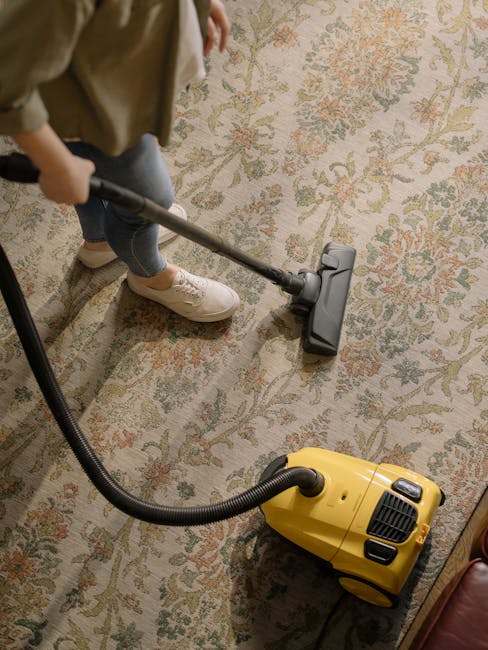
Post-flood mould in Merton homes: Carpet drying & clean
When floodwater gets into a home, the mess is never just on the surface. Carpets hold water, underlay stays damp, and within a short time you can get that tell-tale musty smell that makes the whole room feel off. If you are dealing with post-flood mould in Merton homes: Carpet drying & clean is not a nice-to-have; it is usually the difference between saving a carpet and replacing it. And yes, timing matters. A lot.
This guide walks you through what to do, why it matters, and how professionals typically approach carpet drying and cleaning after a flood. It is written for people who need straight answers, not a lecture. Whether the water came in through a low point, a burst pipe, or a heavy downpour that left the hallway sodden, the same basic principle applies: get moisture out fast, then clean properly so mould does not get a head start.
To be fair, floods are stressful enough without trying to decode carpet fibres, underlay, airflow, and mould risk all at once. So let's break it down in plain English.
Why Post-flood mould in Merton homes: Carpet drying & clean Matters
After flooding, carpets behave a bit like a sponge that refuses to let go. Surface water is only part of the problem. Moisture moves into the pile, the backing, the underlay, and sometimes even the floor beneath. If that dampness lingers, mould can begin to grow in hidden layers long before you see visible spots.
That is why post-flood mould in Merton homes: Carpet drying & clean matters so much. The goal is not simply to make the carpet feel dry underfoot. The real aim is to reduce moisture, remove contamination, and stop odours and mould colonies from taking hold in the structure of the room.
In a London borough like Merton, many homes have busy family routines, fitted carpets, and rooms that cannot really be left empty for long. A lounge, staircase, or bedroom carpet that stays wet for days can become a practical headache very quickly. You will notice the smell first, usually that damp, earthy scent that gets stronger by the hour. Then comes the staining. Then, if the conditions are right, mould. Not ideal, obviously.
There is also a health and comfort side to this. Even where mould is not widespread, damp carpets can make a space feel colder, less clean, and harder to live in. For households with children, older residents, or anyone sensitive to damp air, that matters quite a bit.
Expert summary: If floodwater has reached the carpet backing or underlay, drying the top surface is only step one. A proper clean and a full drying plan are what protect the room from lingering moisture, smells, and mould returning later.
How Post-flood mould in Merton homes: Carpet drying & clean Works
The process is usually more methodical than people expect. A good carpet drying and clean service after flooding does not begin with scrubbing. It starts with checking how far the water travelled and what kind of contamination is present. Floodwater from outside is treated very differently from clean water from a burst pipe, and that distinction shapes everything else.
First, excess water is removed. Then the carpet is assessed for liftable edges, trapped moisture, affected underlay, and signs that the backing has started to separate. If the carpet can be saved, airflow and extraction are used to dry it evenly. If not, the job may need more invasive work. That is the honest version. Not every carpet is worth rescuing, and pretending otherwise helps nobody.
Once the drying plan is underway, the clean comes next. Depending on the contamination level, that may involve hot water extraction, low-moisture cleaning, or targeted sanitising of affected fibres. In practical terms, the purpose is to remove soil, residues, and anything that could feed mould growth later. A carpet can look okay and still be holding onto damp and debris underneath. A bit sneaky, that.
Professionals will also monitor drying progress. Good airflow, controlled heat, and dehumidification help the carpet dry through the pile and backing rather than just at the surface. If the room is sealed up too early, moisture can get trapped and the whole effort becomes a bit pointless. Slightly frustrating, but common.
If the flood has also affected skirting boards, walls, or furniture, those areas may need attention too. A carpet rarely floods in isolation. In many Merton homes, water travels along edges and under furniture before it is even noticed.
Key Benefits and Practical Advantages
The biggest benefit is simple: faster recovery. When you dry and clean carpets correctly after a flood, you reduce the chances of mould, smell, and permanent damage. That alone can save time, money, and a fair bit of stress.
There are a few other practical advantages worth spelling out:
- Better chance of carpet salvage: Quick, correct drying can mean you do not need to rip up a floor covering that is otherwise still serviceable.
- Lower risk of hidden odours: Damp underlay can hold a stale smell for ages if it is not dealt with properly.
- Less chance of mould returning: Cleaning alone does not solve moisture problems, but it helps remove the residues mould feeds on.
- More comfortable living space: Dry carpets feel cleaner, warmer, and more normal. That sounds small, but after a flood it matters.
- Better inspection outcome: If you are dealing with landlords, tenants, or insurers, a documented drying and cleaning process can help show the issue was handled promptly.
There is also a less obvious benefit: peace of mind. Flood damage tends to leave people slightly on edge. You keep sniffing the air, checking corners, and wondering if that patch by the skirting is still damp. A proper clean and drying process takes some of that uncertainty away. Not all of it. But enough.
Who This Is For and When It Makes Sense
This service makes sense for anyone whose carpet has been exposed to floodwater, standing water, or prolonged damp after a leak. In Merton, that can include homeowners, tenants, landlords, letting agents, and property managers. It is especially relevant if the affected room is carpeted wall-to-wall or fitted with thick underlay.
It is usually the right move when:
- water has soaked beyond the surface and into the underlay;
- the room has developed a damp smell;
- there is visible discolouration, staining, or mould spotting;
- you need to restore a room quickly for family use or a tenancy handover;
- you want a professional assessment rather than guessing.
It may be less sensible if the carpet has been heavily contaminated by sewage or has been wet for a long period with visible mould throughout the backing. In those cases, replacement is often the more realistic option. That is not dramatic, just practical.
If you are unsure whether to try drying or move straight to replacement, that is usually the moment to get advice. A fast inspection can save a lot of wasted effort. If you need help deciding, you can start with carpet cleaning in Merton or explore the broader services overview to see what fits the situation.
Step-by-Step Guidance
If your carpet has just been flooded, act in stages. Moving too fast in the wrong direction can make things worse, so the order matters.
- Make the area safe. Turn off electricity in the affected room if there is any risk of water reaching sockets or appliances. Safety first, always.
- Remove loose water. Use towels, a wet vacuum, or extraction equipment to lift as much standing water as possible.
- Lift movable furniture. Move chairs, rugs, and anything that can trap moisture. If furniture has been sitting on the carpet, check for transfer marks and damp patches underneath.
- Inspect the edges. Gently check along skirting boards and carpet edges for trapped moisture. This is where trouble often hides.
- Open airflow. Ventilate the space and use fans or air movers where appropriate. Good airflow speeds up drying more than people think.
- Use dehumidification. Pulling moisture out of the air helps the carpet dry more evenly and helps prevent secondary condensation.
- Clean the affected fibres. Once the water is under control, clean the carpet using a method suitable for the contamination level.
- Check the underlay. If the underlay is saturated or contaminated, it may need replacing. Trying to save it can be a false economy.
- Monitor for odour or spotting. Revisit the area over the next couple of days. A carpet that still smells damp is telling you something.
- Document the damage. Take photos before and after treatment, especially if insurers or landlords are involved.
One useful tip: do not assume a carpet is dry just because the top feels cool but not wet. Hidden moisture can sit below the surface for longer than you expect. The room might look fine by lunchtime and still be holding damp at 9pm. Sneaky little nuisance, really.
Expert Tips for Better Results
Experience tends to teach the same lesson over and over: the fastest fix is not always the best one. A few careful choices make a big difference.
- Start drying immediately. Even a few hours can matter when humidity is high.
- Do not trap moisture with heat alone. Strong heat without airflow can dry the top and leave the base damp.
- Clean after extraction, not before. Pull out as much water as possible first. Otherwise you are just moving sludge around.
- Check for hidden underlay damage. A carpet can recover while the underlay quietly goes downhill.
- Watch the room temperature. A reasonably warm room with good airflow is usually better than a hot, closed one.
- Act on smell early. If you catch that earthy odour, do not wait for visible mould to appear.
In our experience, one of the most common mistakes is trying to rescue a room in a single afternoon. Truth be told, some carpets need a drying cycle, a rest, then a second check. That is normal. The boring approach often wins.
If the flood happened in a larger property or you are dealing with several rooms, it may help to pair carpet recovery with deep cleaning in Merton or even a broader one-off clean once the moisture problem has been contained.

Common Mistakes to Avoid
Flood recovery often goes sideways because people mean well and move too casually. No judgement. It happens. But a few errors crop up all the time.
- Waiting too long. Mould risk rises the longer moisture remains in the carpet system.
- Ignoring the underlay. The top layer may improve while the hidden layer stays damp.
- Using domestic fans and hoping for the best. A single fan is better than nothing, but it is not a full drying strategy.
- Masking smells with fragrance sprays. That just covers the problem. It does not solve it.
- Scrubbing stains aggressively. Over-wetting or over-rubbing can damage fibres and spread contamination.
- Putting furniture back too soon. Heavy items can lock in moisture and leave marks.
- Assuming visible dryness means full dryness. It usually does not.
Another one to avoid: treating every flood the same. Clear water from a pipe is one thing. Dirty water from outside is another. The clean-up method should match the risk level. That sounds obvious, but in the rush of a wet living room, obvious things get missed.
Tools, Resources and Recommendations
You do not need a warehouse full of equipment, but the right tools help enormously.
| Tool or resource | What it helps with | When it is useful |
|---|---|---|
| Wet vacuum or extraction machine | Removes standing water from carpet fibres | Immediately after flooding or leaks |
| Air movers or strong fans | Improves airflow across the carpet surface | During the drying phase |
| Dehumidifier | Pulls moisture out of the room air | When the space feels heavy or humid |
| Moisture meter | Checks whether damp remains in carpet or underlay | Before declaring the job complete |
| Suitable carpet cleaner | Removes residues and supports hygiene | After extraction and initial drying |
| Protective gloves and masks | Helps with handling contaminated materials safely | When floodwater is dirty or mould is present |
For many Merton households, the practical next step is not just emergency drying but arranging a proper follow-up clean once the room is stable. If you want a local team that understands carpet care in the area, see Merton carpet cleaning in SW19 or request a quote when you are ready.
You may also want to read the local guides around the borough for a sense of how different homes and layouts affect maintenance, including removing damp from carpets in Morden Hall Park homes and the Wimbledon Village carpet cleaning guide.
Law, Compliance, Standards, or Best Practice
Flooded carpets are not just a cleaning issue. They are also a safety and property-care issue, especially where rental homes, shared buildings, or insurance claims are involved. While there is no single universal rule that fits every case, a sensible approach in the UK is to prioritise safety, document the damage, and use competent cleaning and drying methods.
For landlords and managing agents, that usually means responding quickly and keeping a record of what was affected, what was removed, and what was cleaned. For tenants, it means reporting the issue promptly and avoiding risky DIY fixes that could worsen damage. For homeowners, it is mostly about not waiting too long and making sure hidden damp is checked properly.
Professional carpet cleaning after flooding should also follow basic health and safety expectations. That includes safe handling of contaminated waste, appropriate protective equipment where needed, and careful use of electrical drying equipment in wet environments. If you are ever unsure, it is better to pause and get advice than to make a hazard worse. Sensible, not dramatic.
Where mould is present, best practice is to avoid spreading spores by over-brushing dry mould or blasting it with uncontrolled airflow before the area is contained. Cleaning should be measured and careful. If the contamination is significant, replacement may be the safer route.
It is also worth checking how any insurer or property manager wants the situation handled. Some want photos, some want written notes, some want both. Boring paperwork, yes. Useful later, absolutely.
Options, Methods, or Comparison Table
Not every carpet needs the same response. The right method depends on how wet it is, what caused the flood, and how long the moisture has been sitting there.
| Method | Best for | Pros | Limits |
|---|---|---|---|
| Basic air drying | Small, clean water spills or very light damp | Simple and low-cost | Too slow for real flood damage |
| Extraction plus airflow | Most domestic flood incidents | Faster and more reliable | Needs good equipment and monitoring |
| Deep clean after drying | Carpets with dirt, smell, or contamination | Improves hygiene and finish | Won't fix a badly damaged underlay |
| Partial lift and underlay replacement | When hidden moisture or contamination is trapped | Targets the real source of odour and mould | More disruptive, but often necessary |
| Full carpet replacement | Severe contamination, sewage, long wetting, or mould spread | Most definitive solution | Higher cost and more downtime |
If you are comparing options, ask one plain question: is the problem only on the surface, or has it reached the carpet system below? That answer tends to decide everything.
Case Study or Real-World Example
Here is a realistic example from a Merton-style family home. A ground-floor lounge had taken on water after a severe overnight downpour. By the next morning, the carpet felt damp but not drenched, which is exactly the kind of situation people underestimate. The homeowners dried the visible surface with towels and opened the windows. Sensible enough at first glance.
But by late afternoon, the room had a lingering smell and the edges near the skirting still felt cold and slightly heavy. That is often the clue. The top layer was drying faster than the backing. A proper extraction and drying setup was used, the fibres were cleaned once the bulk water had been removed, and the underlay was checked carefully. One small section near a doorway had trapped too much moisture and needed replacing.
The key lesson? The carpet itself was not the whole story. The hidden layers were doing the damage. Once those were addressed, the room recovered well and the smell cleared. It was not magic. Just method.
That sort of outcome is common when action happens quickly. Leave the same room for another couple of days, and the story can change completely.
Practical Checklist
Use this as a quick after-flood checklist for carpet drying and cleaning:
- Confirm the area is safe to enter.
- Identify whether the water is clean, dirty, or unknown.
- Remove standing water as soon as possible.
- Lift furniture and any items trapping moisture.
- Check carpet edges, underlay, and corners for hidden damp.
- Use airflow and dehumidification to support drying.
- Clean the carpet using a method suited to the contamination level.
- Inspect for mould smell, staining, or return damp after a few hours.
- Replace underlay if it has been heavily soaked or contaminated.
- Take photos and notes for records or insurance.
- Arrange a follow-up check before putting furniture back.
Quick reminder: if the carpet still smells damp, it probably still is. Your nose is annoyingly useful that way.
If you need a local team to help assess the damage, dry the carpet properly, or carry out a thorough clean, start with about us to learn more or head straight to contact us for a conversation about the best next step.
Get a free quote today and see how much you can save.
Conclusion
Post-flood mould in Merton homes is one of those problems that gets harder the longer you leave it. Carpet drying and cleaning are not separate chores; they work together. Drying removes the conditions mould needs, while cleaning removes the residues and contamination that can keep the problem alive.
If you take anything from this guide, let it be this: do not judge a flood-damaged carpet by the top surface alone. Check underneath, check the smell, check the edges, and be honest about whether the underlay has survived. That one bit of honesty can save a lot of hassle later.
Handled properly, many carpets can be brought back to a clean, comfortable state. And even when replacement is the right answer, acting quickly still protects the rest of the room. One careful step at a time. That is usually how these things get sorted.